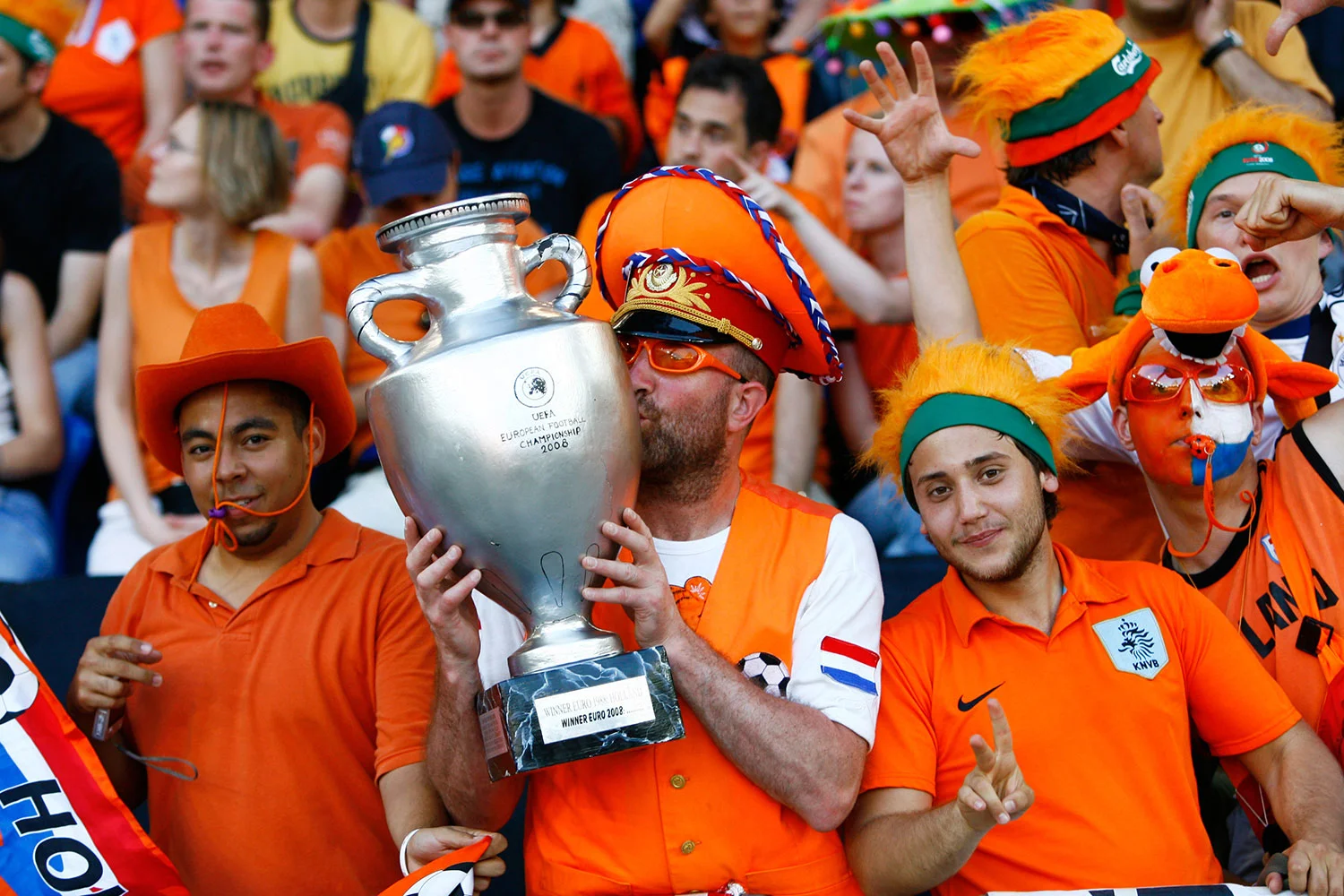
Getting Inside the Head of Europe’s Football Fans
The year was 2012, and Sharp was having a difficult time in Europe. Once a giant of Japanese electronics, the brand was struggling to stay relevant in a world that was becoming increasingly obsessed with small screens.
Then, at the last minute, Sharp did something no one saw coming. It signed on as a major sponsor of the European Football Championship.
This was excellent news for everyone at the agency. Especially those of us who had just spent six months working on a B2B photocopier brief.
Once the excitement wore off, though, a fairly obvious question emerged.
What did Sharp have to say about football?
Yes, the brand had once appeared on some iconic Ferguson-era Manchester United shirts. But you can only get so far at a party talking about who you used to hang out with.
Compared with the tournament’s more established, big-money partners, Sharp was the outsider. If the sponsorship was going to mean anything, we needed to find the brand a role beyond filling some blank space on a hoarding.
So we looked at it from Sharp’s point of view.
They were a Japanese electronics brand.
Why should they care who won a European football tournament?
What mattered was the 350 million fans watching at home on TV.
Sharp FanLabs was Europe’s largest-ever study of football fans. We wanted it to be more than another piece of pseudo-scientific marketing with a suspiciously convenient conclusion. So we partnered with leading research and technology companies to make it as rigorous as possible. Because football fandom is arguably every bit as complicated as football itself.
The game is analysed endlessly. Passes completed. Distance covered. Possession percentages. Expected goals. But relatively little attention is paid to the people losing their minds in the stands, the pub, the fan zone or their own living room.
A major tournament can fuse an entire country to a single emotional state. Hopeful. Delusional. Furious. Briefly convinced that this time will be different. Sometimes all within 90 minutes.
So we set out to study the national mood of football fans across 30 European markets, both before and during the tournament.
Were Dutch supporters really the most exuberant? Were German fans as calm and rational as advertised? What did English fans truly believe? Who was mainly there for the vibes?
We wanted to find out.
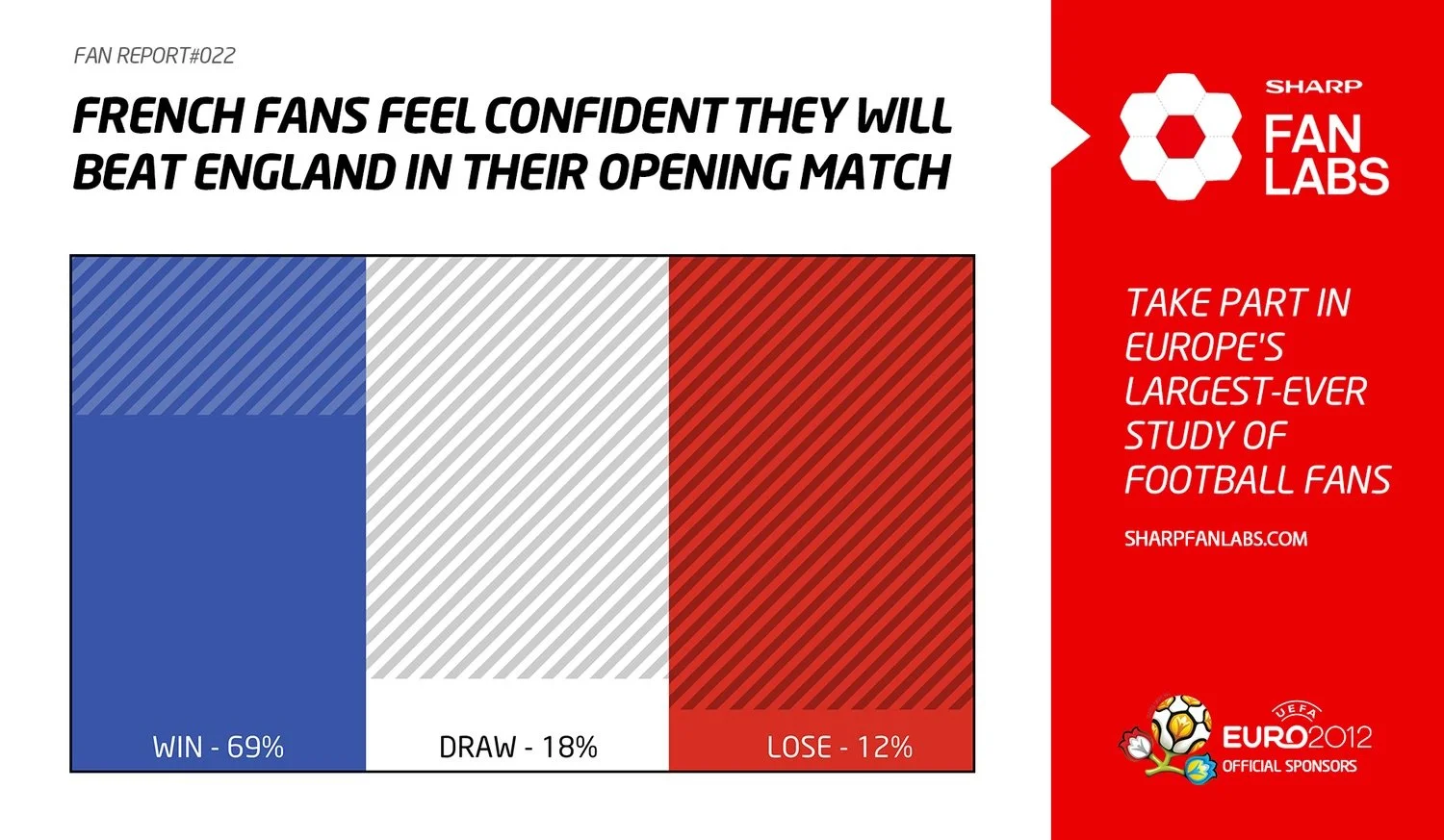
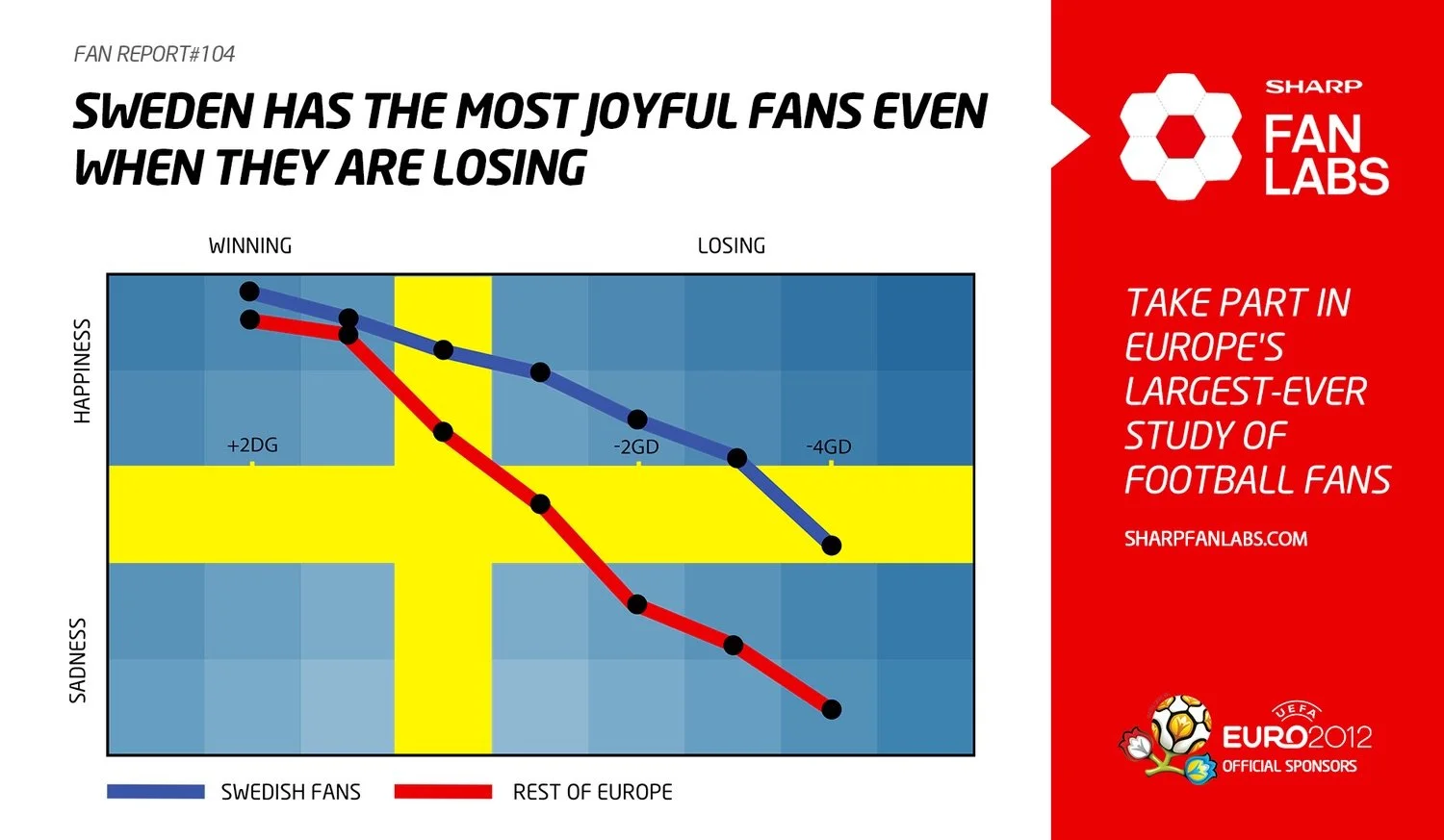
The campaign ran for three months and combined large-scale research, live activations and real-time content across Europe.
First, we worked with psychology researchers to create a custom app that profiled fans through detailed tests and daily questions. We measured things like optimism, pride and commitment, then used the results to build a national picture of each fanbase.
Participants were also placed into one of eight fan archetypes, allowing them to compare themselves with friends, fellow supporters and fans across the continent.
That was just the groundwork. From there, things got considerably more elaborate.
We created mobile FanLabs that travelled across Europe showing matches on a 60-inch Sharp television. But that wasn’t the most impressive tech onboard. Inside, fans wore brainwave headsets and biometric sensors while we monitored their physical and emotional responses throughout the match.
How nervous were they before kick-off? Who watched most intensely? Who never stopped believing? And who seemed suspiciously relaxed about the whole thing?
All of this gave us a huge amount of data to work with.
A dedicated editorial team analysed the results each day, turning the most interesting findings into mini-reports, stories, social content and real-time advertising.
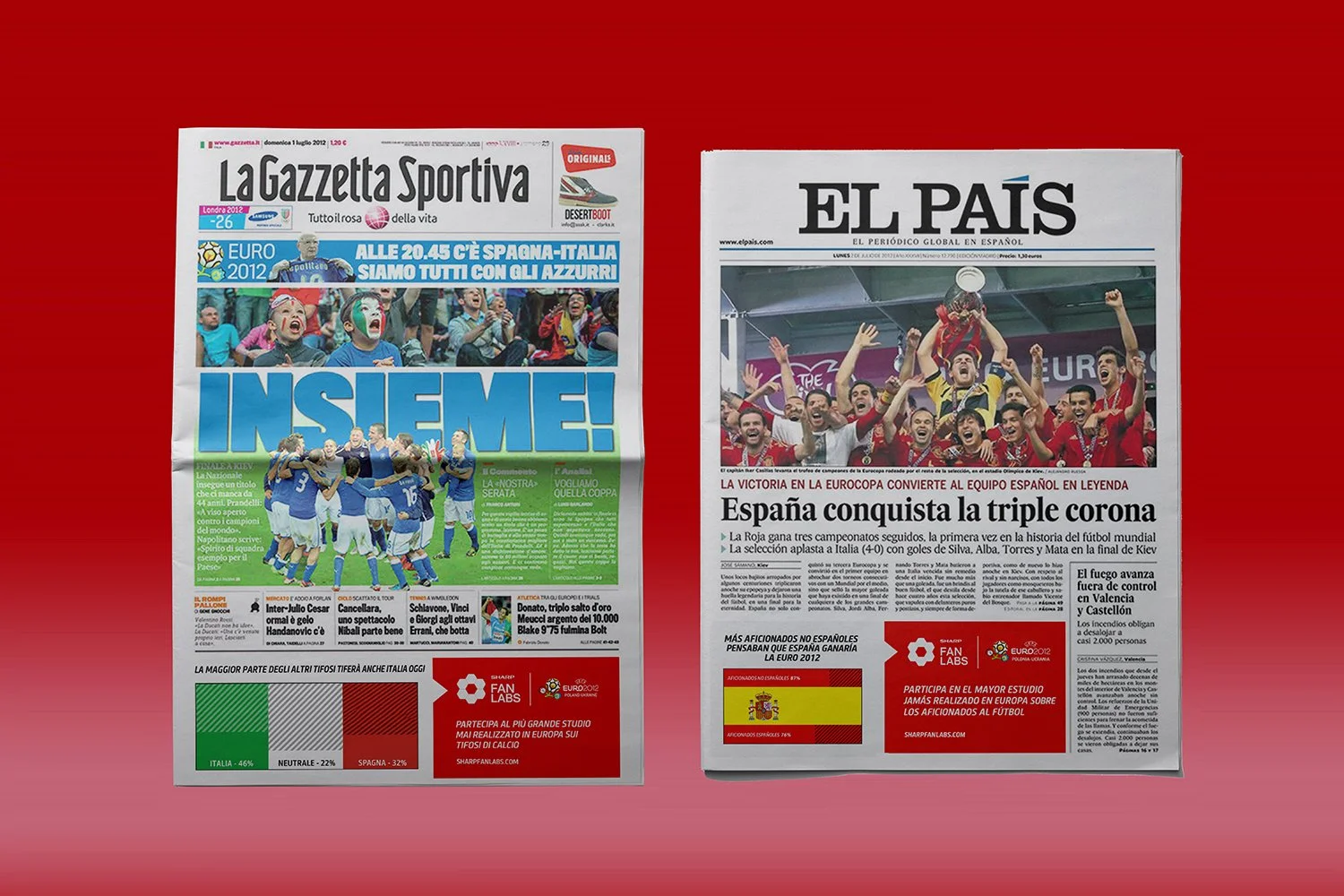
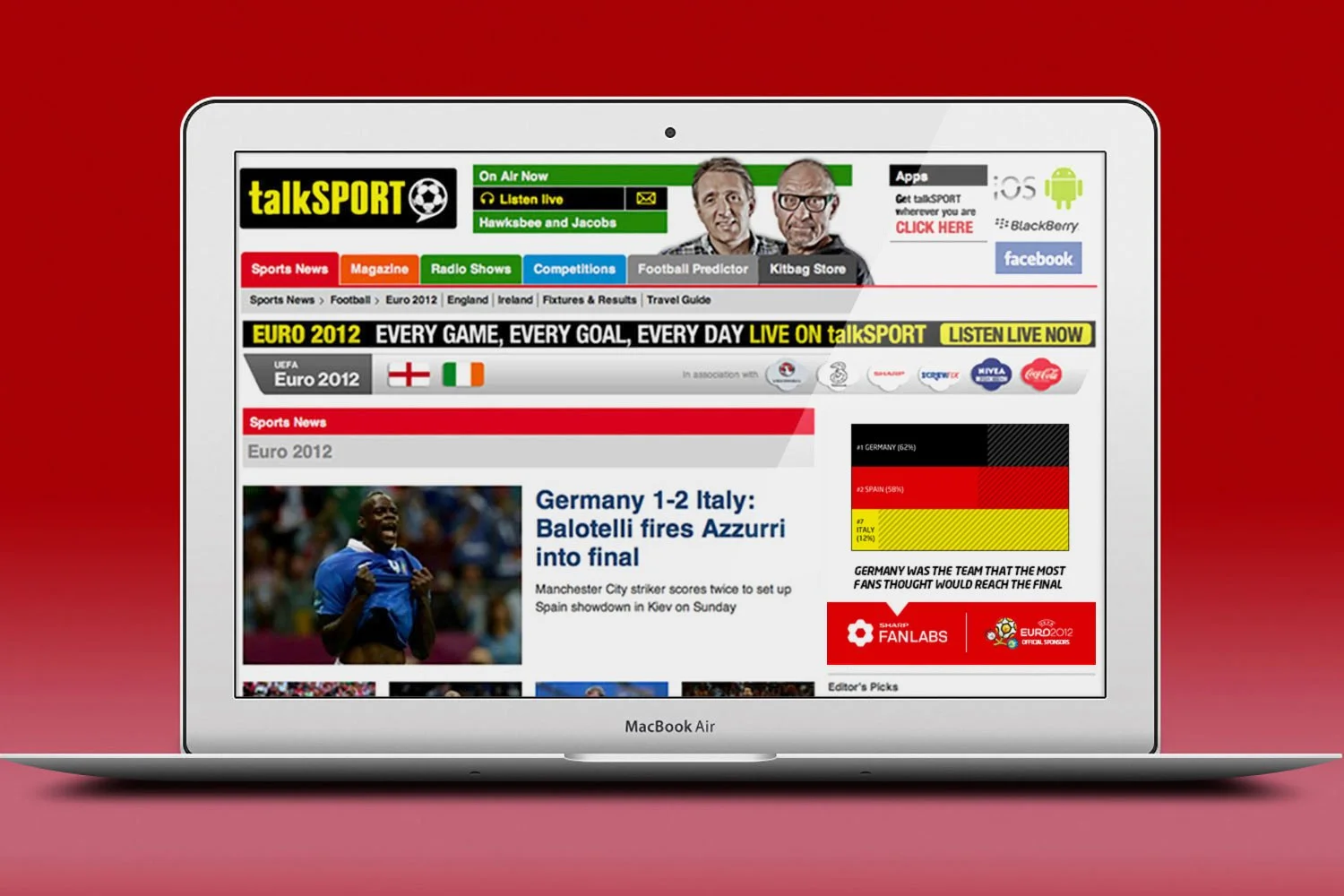
The data also powered local media partnerships across 30 markets. In the UK, Sharp FanLabs sponsored a pre-tournament supplement in The Sunday Telegraph and a daily segment on TalkSport, where we shared the latest findings as the competition unfolded.
Better still, the research began generating its own momentum.
Media outlets across Europe picked up the results, with FanLabs data being discussed in more than 50 publications, including Goal.com and La Gazzetta dello Sport.
And to briefly answer my earlier questions:
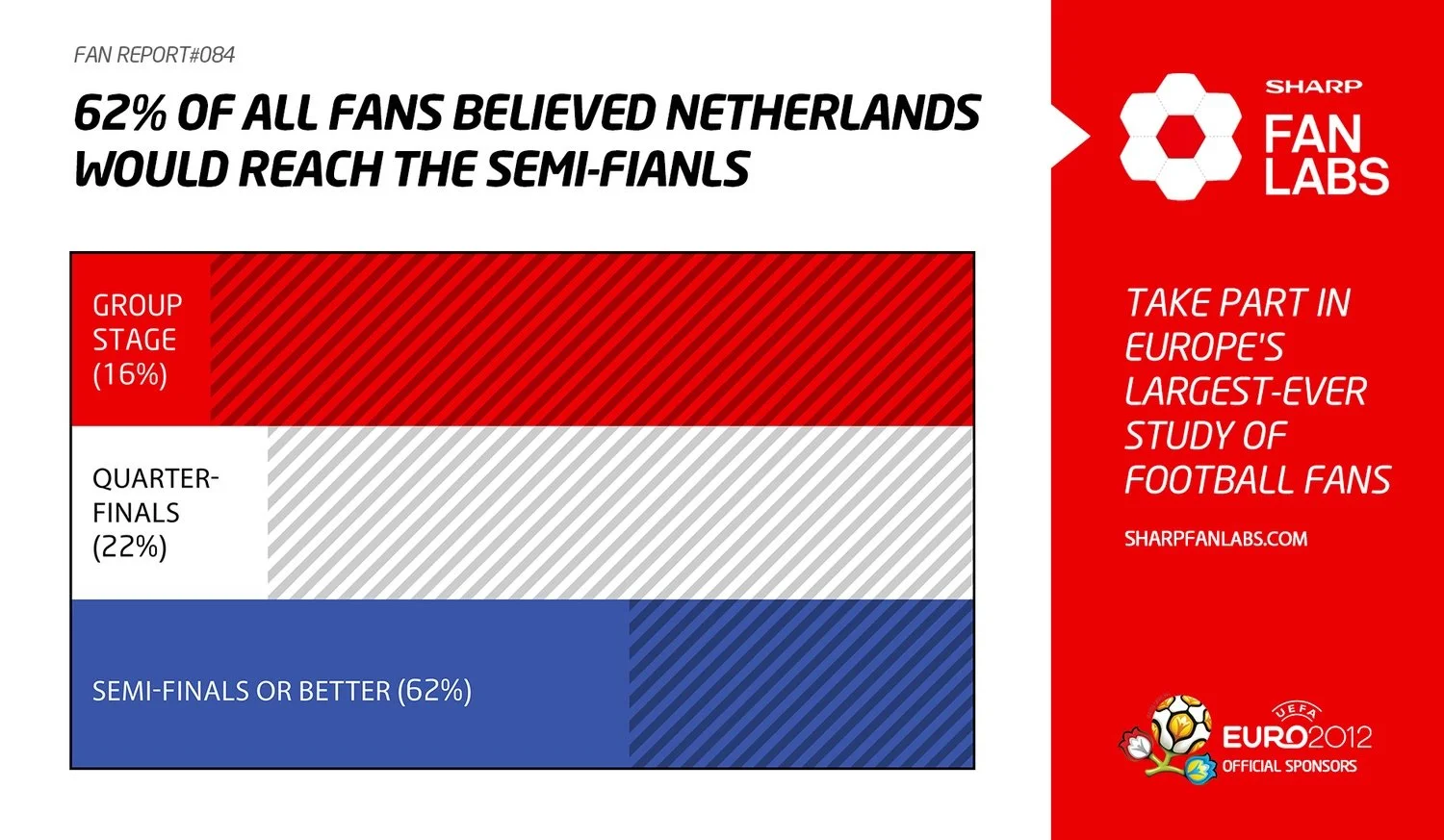
Were Dutch supporters really the most exuberant? No, 3rd behind Poland and Croatia.
Were German fans as calm and rational as advertised? Mostly.
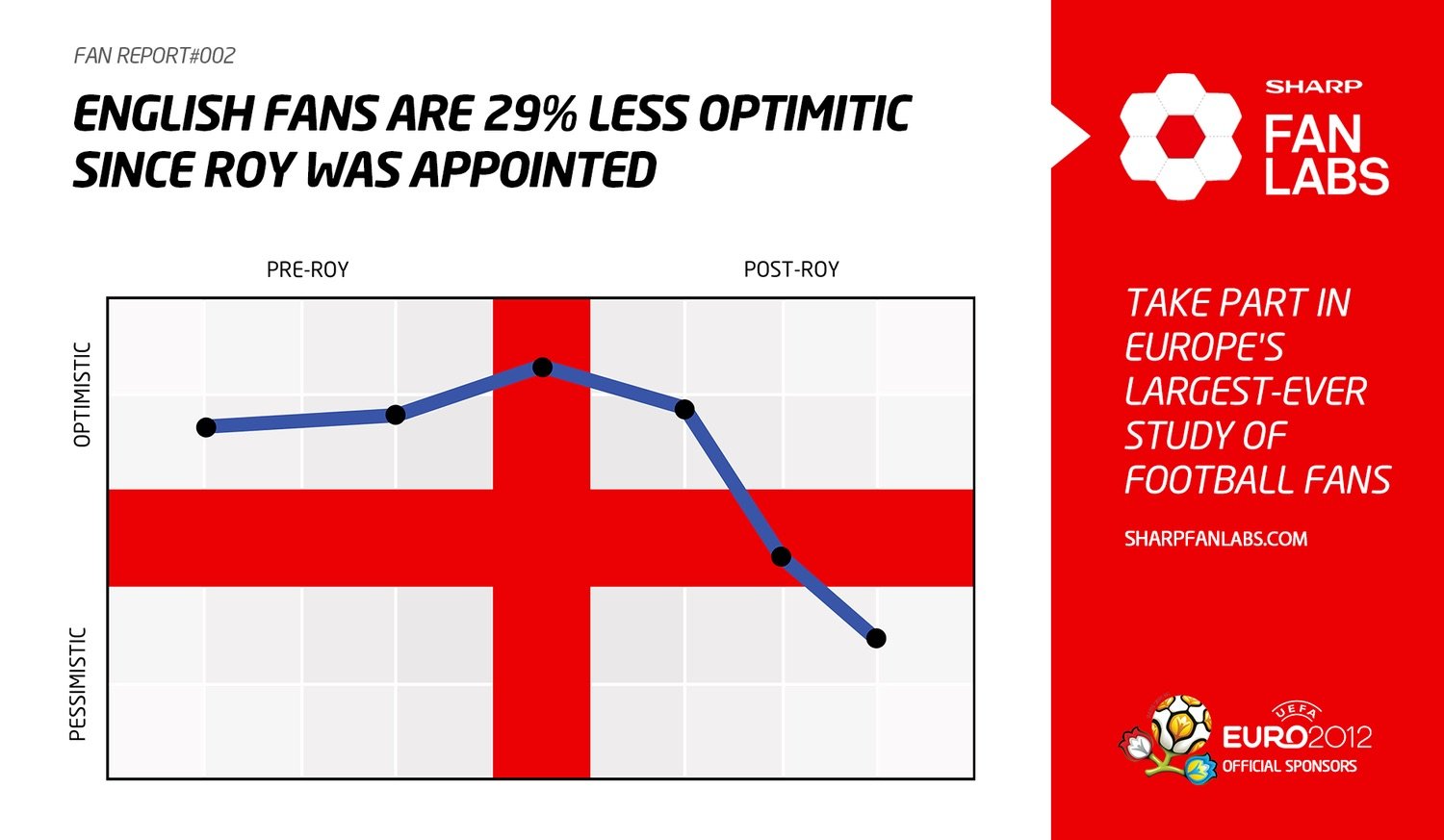
What did English fans truly believe? When asked, 83% said England could win. But the implicit data suggested otherwise.
Who was mainly there for the vibes? Republic of Ireland all the way.
Over three million fans across Europe took part in the study. Their responses became stories, sparked debate and gave Sharp something to contribute to the tournament beyond its logo.
Sharp may have entered the tournament as a football outsider. But by the end, it had got inside everyone’s head.


